- Free Freight (over $600)
- 3-Year Warranty
- Outdoor Rated Lighting
- 180 Day Returns


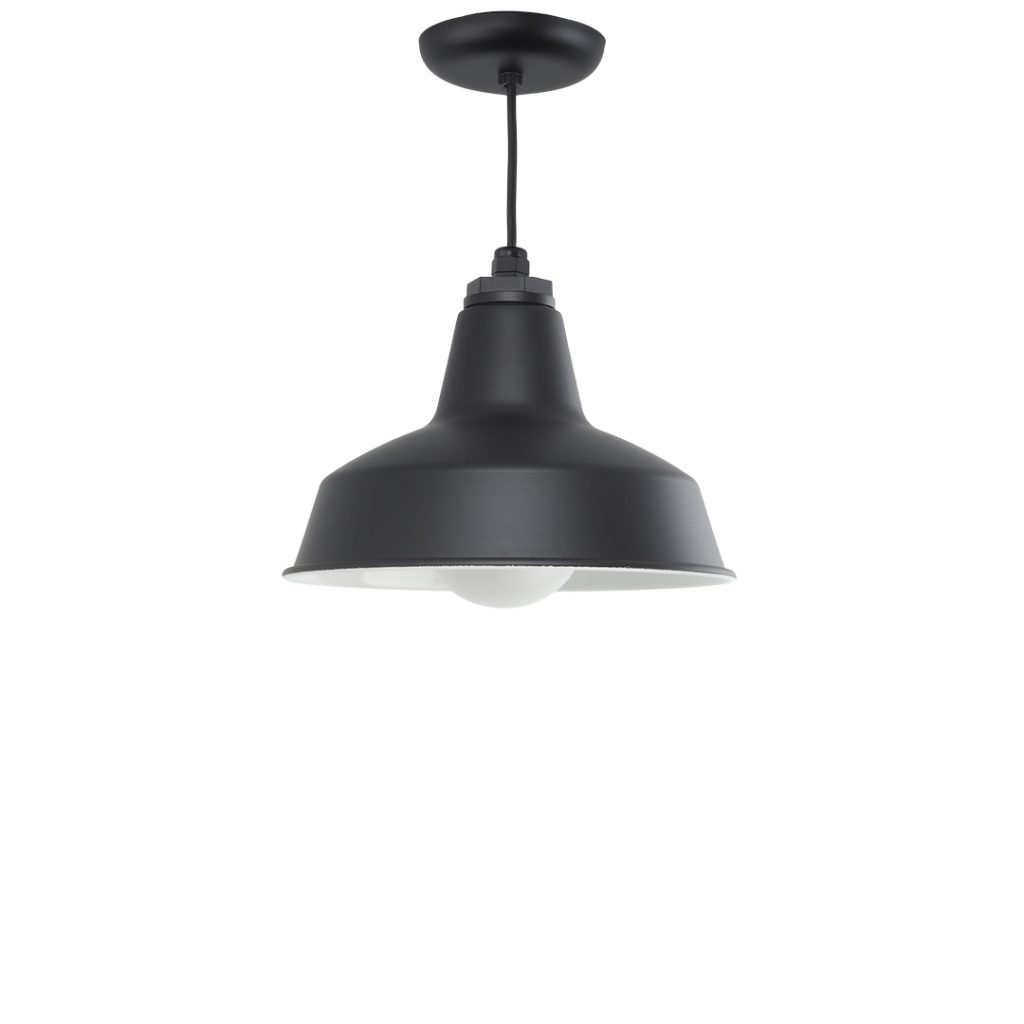
Austin Family | 25 cm 30 cm |
The Austin Cord Pendant — The Austin Warehouse Shade, mounted as a cord pendant. IP44-rated, hand-spun from aluminium, available in WHA25 (25 cm) and WHA30 (30 cm) across 50+…
Industrial pendant lights, Australian made. Choose the classic cord pendant, the rugged chain-hung range, or our weatherproof outdoor pendants — every shade hand-finished in our Carrum Downs workshop and available in any powder-coat colour. From kitchen islands to cafe fit-outs and alfresco dining, there's a Barn Light pendant with the character to carry the room.
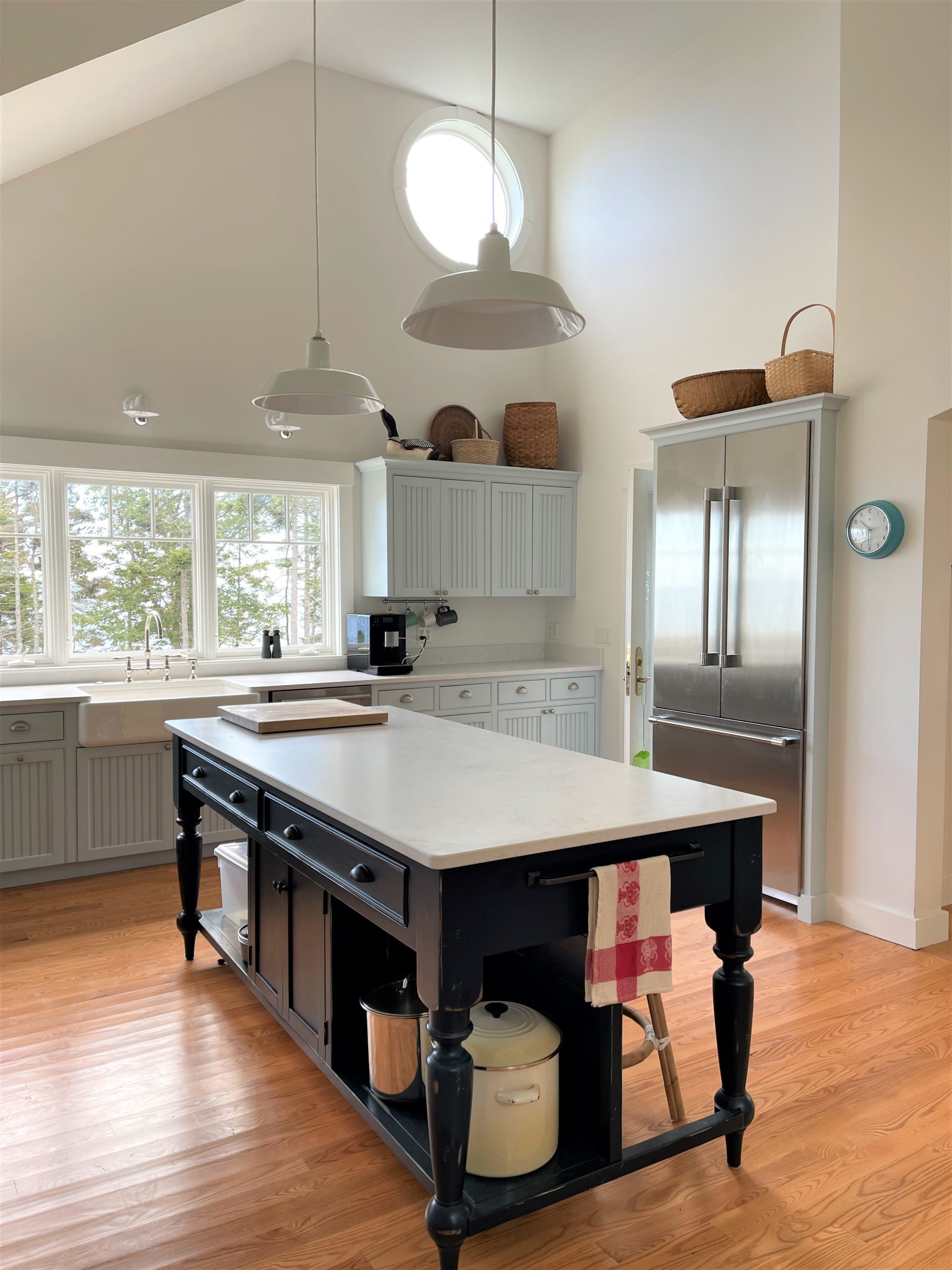

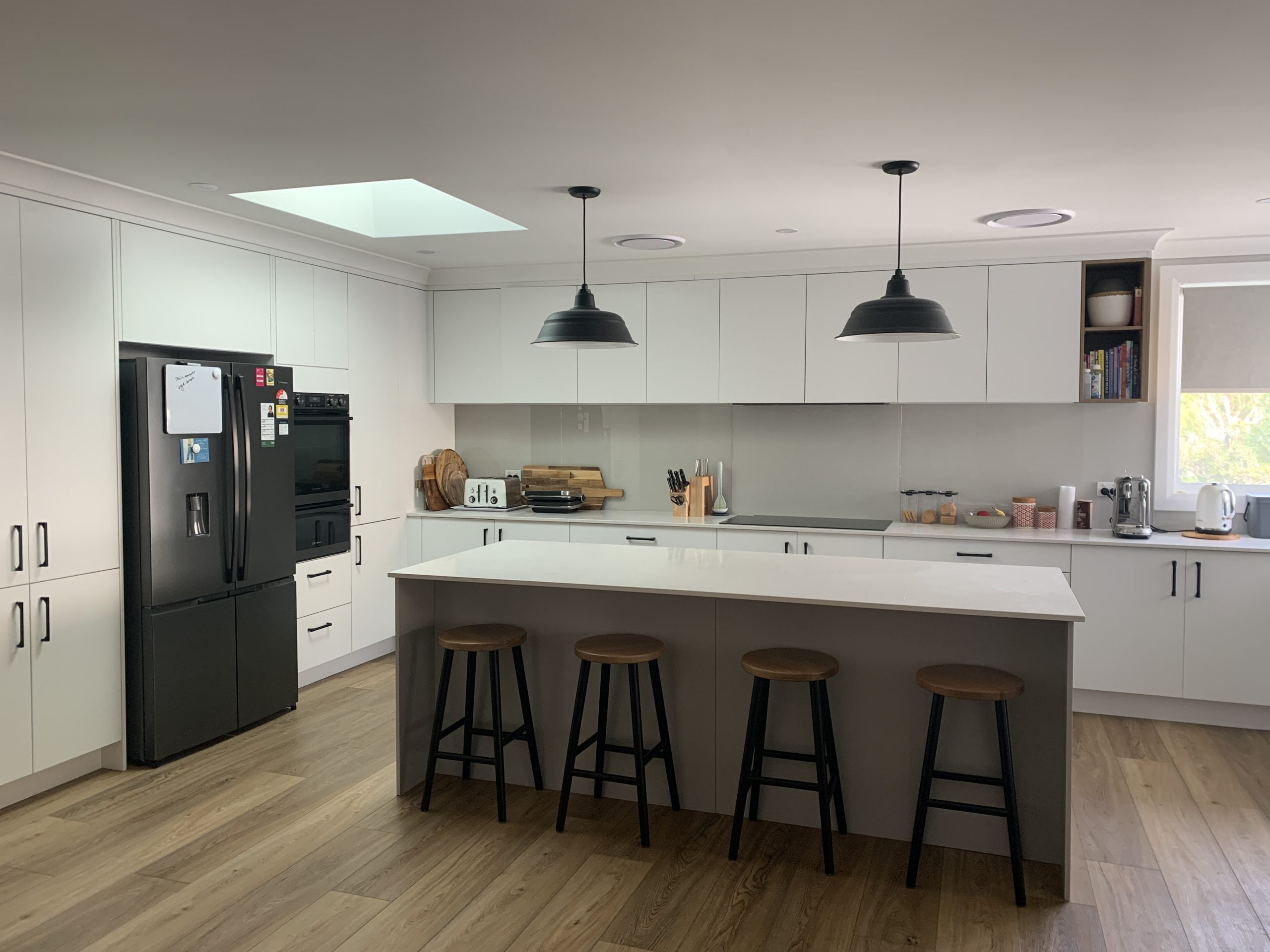
It's the suspension, and it changes both the look and where the light can go. A cord pendant hangs the shade from its electrical cable — the cleanest, most minimal line, ideal indoors over benches and tables. A chain-hung pendant carries the weight on heavy 4.8 mm aluminium chain with the cable woven through the links — more industrial character, and steadier in a breeze, which is why it's the pick for verandas and stock our outdoor range draws from. A ceiling light (stem-mounted) fixes the shade on a rigid pipe stem — no swing at all, suited to lower ceilings, outdoor fans' airflow and anywhere you want the fixture to hold its exact position. All three suspensions take the same Australian-made shades in the same colours, so you can mix mounting types through the house while keeping one consistent look.
Start at roughly 750–900 mm between the underside of the shade and the benchtop, then adjust for your ceiling height and sight lines — the shade should sit below eye level when you're standing at the bench, so the globe never glares at you, but high enough that it doesn't block faces across the island. For a typical island, two or three pendants spaced evenly beat one central light: space them so the pools of light overlap at bench level. Our cord and chain pendants are supplied with generous length that your electrician trims or loops to the final drop on installation, so you don't need to commit to an exact measurement before ordering. One practical tip: hang them slightly higher over a workspace than you would over a dining table — task lighting wants spread, while dining lighting wants intimacy.
Yes — and for roughly nine out of ten outdoor installations, our standard IP44-rated pendants are all you need. IP44 protects against splashing water from any direction, which comfortably covers the classic pendant positions: covered verandas, alfresco dining areas and outdoor kitchens under a solid roof. Chain-hung and caged cord styles are the naturals there because they handle air movement with the least fuss. The IP55-sealed options in our Outdoor Pendant Lights collection are the step up in protection — sealed against dust ingress and water jets for positions where weather reaches the fitting directly — and that extra sealing carries a price premium worth knowing about before you compare the two. The honest guide: under a solid roof, choose IP44 and put the difference into the finish; exposed to driven rain or salt spray, the IP55 upgrade earns its keep. Either way, the rating is stated on every product page.
Yes — every pendant takes a standard E27 (Edison screw) globe on 230 V/50 Hz mains, so the full range of LED filament and standard LED lamps fits straight in, with no drivers or transformers to fail down the track. For the classic barn-light look we recommend a warm-white LED filament globe — 2200–2700 K reads as traditional incandescent warmth under a powder-coated shade. Dimming works when two parts agree: a globe marked dimmable, paired with an LED-compatible dimmer module your electrician can confirm or swap in minutes. When choosing globes, judge output in lumens rather than watts — lumens measure light delivered, watts only measure power drawn, and with LEDs the old wattage shorthand no longer maps to brightness. Deep-bowl shades concentrate light downward, so less output goes further than you'd guess: around 800–1,000 lumens per pendant is usually plenty over a bench.